
Champion Performance Features
Discover the essential athletic performance principles that drive elite athletes to excellence. From training methodology to nutritional strategies, we explore the features that separate champions from the rest.
Core Features of Athletic Excellence
These six pillars form the foundation of sustained athletic performance and competitive success.
Progressive Overload Training
Systematic increase of training intensity, volume, and complexity ensures continuous adaptation and strength gains. Athletes gradually push their limits while maintaining proper form and injury prevention protocols.
Cardiovascular Optimization
Elite performance depends on exceptional aerobic and anaerobic capacity. Sport-specific conditioning builds endurance, power output, and recovery efficiency through structured interval and steady-state training programs.
Nutrition & Fueling Strategy
Proper macronutrient timing, hydration management, and micronutrient balance directly influence energy availability, recovery speed, and mental clarity during training and competition.
Mental Resilience & Focus
Champions develop unwavering mental toughness, visualization skills, and emotional regulation techniques. Psychological training builds confidence, reduces performance anxiety, and sharpens competitive instincts.
Recovery & Sleep Protocols
Quality sleep, active recovery sessions, and rest days are where adaptation occurs. Prioritizing 7-9 hours of deep sleep and strategic recovery modalities prevents overtraining and optimizes performance gains.
Data-Driven Performance Tracking
Modern athletes monitor key metrics—power output, heart rate variability, speed, and body composition. Analytics reveal patterns, identify weaknesses, and guide objective decision-making for training adjustments.
The Science Behind Elite Training Methodology
Top athletes don't succeed through random effort. They follow scientifically-backed training principles that maximize adaptation while minimizing injury risk. Periodization structures training into specific phases—strength building, power development, and peaking phases—each with distinct goals and exercises.
Movement quality ranks equally with intensity. Elite coaches emphasize proper biomechanics, range of motion, and neuromuscular coordination. This foundation allows athletes to handle higher training loads safely and extract maximum benefit from every session.
Periodized Training Cycles
Macrocycles, mesocycles, and microcycles structure progression strategically.
Sport-Specific Movement Patterns
Training mimics competition demands and transfers directly to performance.
Autoregulation & Load Management
Athletes adjust intensity based on readiness to prevent burnout and overtraining.
Accessory Work & Injury Prevention
Targeted exercises address weaknesses and build resilience in vulnerable areas.

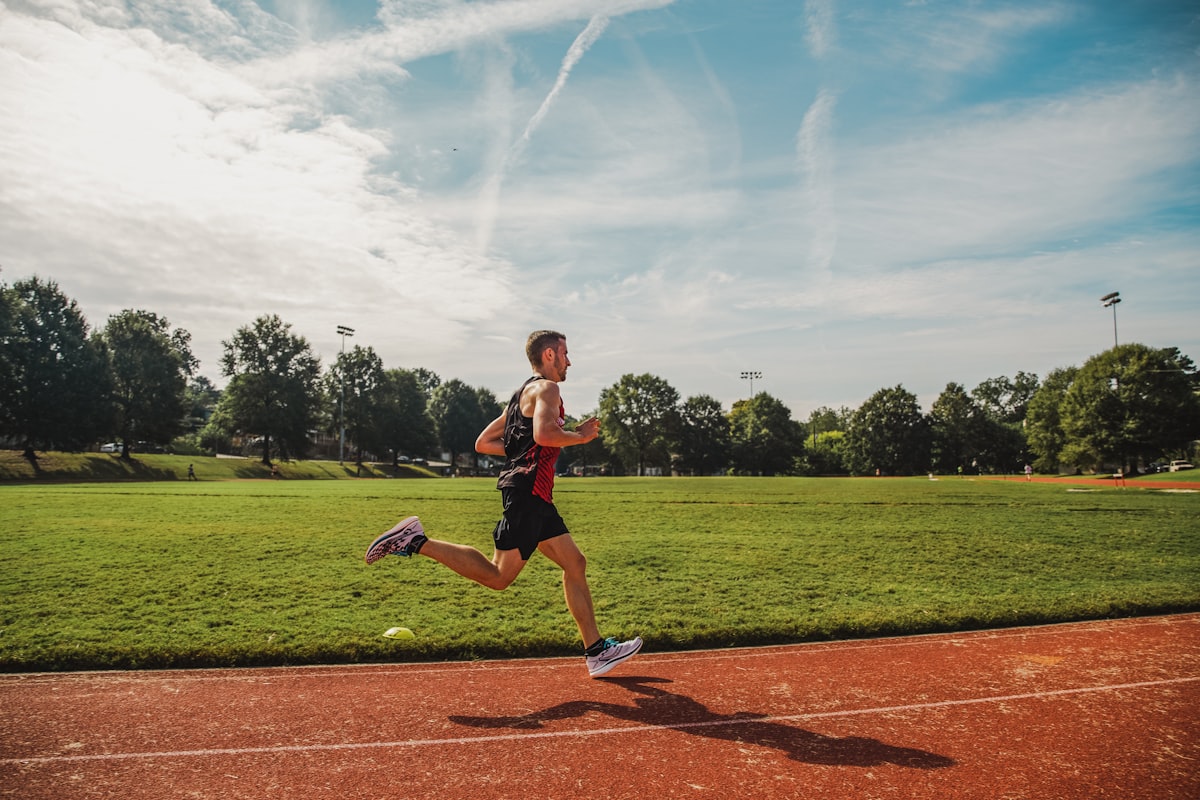
Nutrition & Recovery Excellence
What athletes consume matters as much as how they train. Proper nutrition supports energy production, muscle repair, immune function, and hormonal balance. Elite athletes work with nutritionists to optimize macronutrient ratios, meal timing, and hydration strategies specific to their sport and individual physiology.
Recovery isn't passive—it's an active process requiring deliberate strategies. Sleep consolidates training adaptations, growth hormone peaks during deep sleep, and muscle protein synthesis accelerates during rest periods. Combining quality sleep with active recovery modalities accelerates performance gains and extends athletic careers.
Pre-Training Fueling Strategy
Carbohydrates and light protein 1-3 hours before exercise enhance performance and endurance.
Post-Workout Nutrient Window
Protein and carbs within 30-60 minutes maximize muscle recovery and glycogen replenishment.
Hydration Management
Maintaining proper fluid and electrolyte balance prevents cramping and cognitive decline.
Sleep Optimization Tactics
Consistent sleep schedules, cool dark rooms, and pre-sleep routines enhance sleep quality.
Key Performance Measurement Indicators
Elite athletes track specific metrics to evaluate progress and guide training decisions.
VO₂ Max
Maximum oxygen utilization capacity—fundamental metric for aerobic fitness and endurance performance across all sports.
Power Output
Measured in watts, this indicates explosive force production capacity during sprints, jumps, and high-intensity efforts.
Heart Rate Variability
Fluctuation between heartbeats reflects nervous system balance, recovery status, and readiness for intense training.
Body Composition
Lean muscle mass versus body fat ratio directly influences speed, power, and efficiency in athletic movements.
Mental Resilience & Psychological Skills
The gap between good athletes and champions is often psychological. Mental skills training develops the ability to focus under pressure, maintain confidence during adversity, and execute flawlessly when it matters most. Elite athletes practice visualization, positive self-talk, goal-setting, and stress management as systematically as they practice sport-specific skills.
Emotional intelligence and competitive mindset separate performers who crack under pressure from those who elevate their game. Champions view setbacks as learning opportunities, maintain emotional equilibrium during competition, and cultivate an unshakeable belief in their abilities.
Visualization & Mental Rehearsal
Athletes mentally practice movements, strategies, and successful performances to enhance neural pathways.
Goal-Setting Frameworks
SMART goals (Specific, Measurable, Attainable, Relevant, Time-bound) provide direction and motivation.
Pressure Performance Strategies
Breathing techniques, pre-competition routines, and focus cues activate optimal performance states.
Resilience & Adversity Management
Champions develop mental toughness through deliberate exposure to challenging situations and growth mindset training.

Athlete Development: From Beginner to Elite
Understanding how champions progress through distinct performance levels helps athletes chart their development path.
| Athlete Level | Training Approach | Recovery Focus | Key Metrics |
|---|---|---|---|
| Recreational | Consistent weekly training, basic fitness improvement | Adequate sleep, general wellness | Consistency, baseline health markers |
| Competitive | Structured periodization, sport-specific drills | Planned rest days, strategic nutrition | Personal records, competition rankings |
| Advanced Competitive | Periodized cycles, strength + power focus, skill refinement | Active recovery modalities, detailed sleep tracking | Power output, VO₂ Max, technique efficiency |
| Elite/Professional | Individualized programming, micro-adjustments, biomechanical optimization | Comprehensive recovery protocols, data-driven adjustments | HRV, power/speed ratios, body composition precision, competitive ranking |
The Complete Performance Development Process
Elite athletes follow a systematic process to build sustainable, long-term performance gains.
Assessment & Baseline
Evaluate current fitness level, movement patterns, strength imbalances, nutritional status, and mental readiness. Establish baseline metrics across all performance domains for comparison tracking.
Program Design
Create individualized training plans with periodized cycles, sport-specific exercises, and progressive overload protocols. Define nutrition targets, sleep guidelines, and psychological skills practice schedules.
Implementation & Tracking
Execute training sessions with proper form, maintain detailed logs of workouts and recovery data, track nutrition compliance, and monitor psychological metrics. Regular data collection informs adjustments.
Analysis & Optimization
Review performance metrics, identify trends and plateaus, adjust training variables based on data, optimize nutrition and recovery timing, and refine mental skills practices. Continuous improvement cycle.
Modern Tools for Performance Optimization
Today's athletes leverage technology to gain competitive advantages in training, nutrition, and recovery management.
Wearable Fitness Trackers
Smartwatches and fitness bands monitor heart rate, sleep patterns, daily activity, and recovery metrics in real-time, enabling proactive training adjustments.
Heart rate zones, VO₂ tracking, sleep analysis
Performance Testing Equipment
Force plates, motion capture systems, and metabolic carts provide precise biomechanical and physiological data for performance analysis.
Power output, movement analysis, aerobic capacity
Training Management Software
Digital platforms organize training plans, track session details, manage nutrition logs, and aggregate performance data for comprehensive athlete management.
Workout logging, data visualization, trends
Video Analysis Systems
High-speed cameras and analysis software break down movement patterns frame-by-frame, identifying technical flaws and optimization opportunities.
Technique assessment, biomechanical feedback
Nutrition Tracking Apps
Database-driven applications log food intake, calculate macronutrient ratios, monitor hydration, and align nutrition with training phases.
Macro tracking, meal planning, timing optimization
Recovery Monitoring Devices
Specialized sensors measure heart rate variability, body temperature, and recovery status, indicating optimal timing for intense training or active rest.
HRV measurement , sleep quality tracking
Real Results from Real Men
Thousands of men have transformed their routines and achieved their goals using our science-backed strategies.
"The morning routine framework completely changed my productivity. I'm getting more done before 9 AM than I used to in a full day. My energy levels are through the roof."
James Mitchell
Executive, Age 38
"Lost significant weight in 4 months with the fitness and nutrition routines. The science behind the timing made all the difference. This isn't just another program—it's a lifestyle."
Marcus Chen
Software Developer, Age 32
"My sleep quality improved dramatically, and the stress management techniques actually work. I feel more in control of my day and my mental health is better than ever."
David Rodriguez
Manager, Age 45
Frequently Asked Questions
Get answers to common questions about our routines and approach.
How long before I see results?
+Can I customize the routines for my schedule?
+What if I've tried routines before and they didn't work?
+Do I need special equipment or supplements?
+Is there ongoing support included?
+Ready to Transform Your Routine?
Join thousands of men who've already discovered the power of optimized daily routines. Start your transformation today.
No credit card required. Access instant resources and join the Powerful Man Routines community.
Powerful Man Routines
Science-backed daily routines for modern men.
Resources
© 2024 Powerful Man Routines – UID: CHE-383.513.892. All rights reserved.